


Rich in Heritage & Recreation
Boughton Aluph & Eastwell are two civil parishes located in the Borough of Ashford in Kent, England. These parishes share a joint parish council and encompass three main settlements: the villages of Boughton Aluph, Boughton Lees, and Eastwell. This area is notable for its scenic beauty, historical significance, and active community life.
Boughton Aluph: Pronounced "Bawton Alluf," this picturesque village is situated about 5 miles (8 km) north of Ashford on the A251 road. It is known for its charming rural ambience and serves as the primary settlement within the parish.
Boughton Lees: Another village within the parish, it contributes to the area's community spirit and local activities.
Eastwell: Dominated by Eastwell Park, this area features a large country estate with extensive parkland, gardens, woodlands, and lakes. Eastwell Park is a popular spot for leisure walks and outdoor activities, providing a serene backdrop for residents and visitors alike.
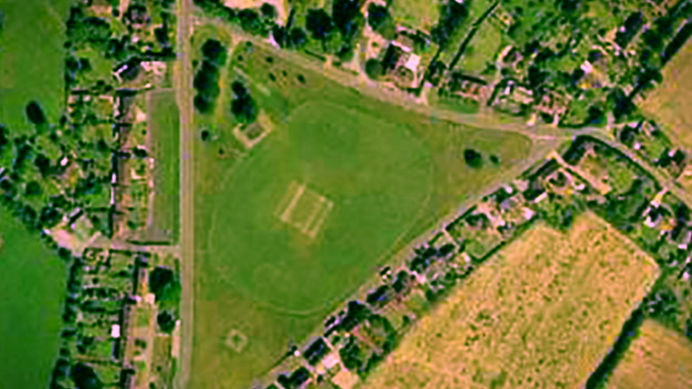
TheLees

Historical & Cultural Significance
The villages of Boughton Aluph & Eastwell are conveniently located near the route of the Pilgrims' Way. This historic trail enhances the area's appeal as a destination for walkers seeking to explore its natural and historical attractions.
During World War II, the Eastwell estate was repurposed as a testing ground for tanks. This involved rigorous testing and possibly contributed to the development and refinement of armoured vehicles used by the British forces during the war. The presence of a tank in the lake within the estate today is a testament to this period.
Winston Churchill, the Prime Minister of the United Kingdom during World War II, is said to have visited the Eastwell estate. His involvement underscores the strategic importance of the site during the war.
Queen Victoria is known to have visited Eastwell Park. There is a local legend that she skated on the lake during winter visits, adding to the estate's storied past and its association with British royalty.

Community Cricket
Cricket in the community
Cricket has played a significant role in the social and cultural fabric of Boughton Aluph, particularly through the longstanding presence of the Boughton & Eastwell Cricket Club (B&ECC). Cricket matches have been held on The Lees village green since at least 1752, making the sport a central part of the community's heritage for over two centuries. The enduring appeal of cricket in Boughton Aluph symbolizes not only the sport's importance in rural English life but also the community's deep connection to its history and traditions.
The first recorded match on The Lees took place on 27 June 1752, when cricket was still a somewhat different game. Players used only two stumps with a bail across them, and the “popping hole” was the precursor to today’s popping crease. Bats were curved and heavy, bowling was fast and underarm, and the pitch was likely cropped by geese or sheep rather than carefully prepared. Spectators added to the excitement by betting on outcomes, and the losing team was expected to provide the winners with symbolic prizes, such as 11 pairs of gloves. Runs were scarce, and tallying scores involved cutting notches into a wooden stick, which gave rise to the term "scoring."
In 1798, the Boughton & Eastwell Cricket Club was formed, playing its first recorded match against Aldington, a tradition that persists to this day.

The FlyingHorse
Another particularly charming aspect of the local cricket tradition is the "Tea Break," which has deep roots in English culture. The first recorded instance of a cricket tea break is believed to have occurred at the Flying Horse Inn, possibly involving players from the B&ECC. This ritual has evolved into a beloved part of cricket, reflecting the close relationship between the sport and British social customs.
Famous for hosting the first-ever cricket luncheon on 16 July 1747, the Flying Horse Inn has been a cricketers' hub for nearly 250 years. Many of its landlords, including Robert Cheeseman and Thomas Hobday, are recorded in cricket’s history, with Hobday notably captaining Boughton’s team in the 1840s and 1850s.
In summary, cricket in Boughton Aluph is more than just a game; it is a key component of the community's identity, linking the present to a rich history of local and national significance. From the early days on The Lees to the ongoing traditions at the Flying Horse Inn, cricket continues to embody the spirit of English rural life, bringing people together through a shared love for the sport and its cultural rituals.